

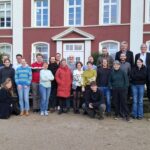
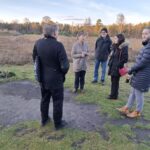
In November 2024, the partners of the MEMORISE Consortium gathered at the Bergen-Belsen Memorial for the annual consortium meeting. Over three intensive and inspiring days, researchers, designers, educators, heritage professionals, and technical partners came together to review progress, exchange ideas, and present new developments in the project’s mission to preserve and communicate the heritage of Nazi persecution through digital technologies.
The meeting provided an important opportunity to strengthen collaboration across work packages, evaluate ongoing prototype development, and prepare for the next stages of the project. Hosted at a site of immense historical significance, the gathering also underscored the responsibility shared by all MEMORISE partners: to ensure that the memories and testimonies of victims and survivors remain accessible and meaningful for future generations.
Day 1: Reflecting on Progress and Shared Goals
The first day of the meeting focused on project updates, strategic discussions, and cross-partner collaboration. Consortium members presented developments across the project’s research, technological innovation, educational design, and dissemination activities.
Discussions centred on how digital technologies can support new forms of engagement with difficult heritage, particularly for younger audiences and digital-native generations. Partners shared progress on tools designed to analyse, visualise, and contextualise testimonies, archival sources, and prisoner artworks connected to the history of Nazi persecution.
The meeting also created space for reflecting on the ethical dimensions of digital remembrance and the importance of interdisciplinary collaboration in Holocaust and memory studies.
Day 2: Demonstrating Digital Prototypes and Exhibition Preparation
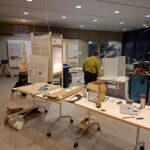
The second day focused on practical demonstrations and exhibition preparation. Partners explored the latest iterations of MEMORISE digital prototypes, including interactive educational tools, multimodal storytelling interfaces, and experimental visualisation technologies.
Among the featured developments were the Prisoner Artworks’ Objects Explorer, the Comparative Document Reader, Unheard Voices, and immersive 3D visualisations of the Bergen-Belsen camp. These tools demonstrate how digital environments can support both large-scale analysis of historical collections and deeply personal engagement with individual testimonies.
The consortium also finalised preparations for the opening of the exhibition SHOWING THE UNSPEAKABLE, Testimonies from Bergen-Belsen, developed as part of the MEMORISE project.
Day 3: European Commission Review and Exhibition Opening
The final day combined two major milestones for the project.
In the morning, MEMORISE welcomed the project officer from the European Commission together with the project reviewers for the official review meeting. Consortium partners presented the achievements of the project to date, demonstrated the developed prototypes, and discussed future objectives and impact pathways. The review offered an important moment to reflect on the project’s progress and the collaborative work achieved across the consortium.
Later that day, the consortium officially opened the exhibition SHOWING THE UNSPEAKABLE, Testimonies from Bergen-Belsen at the Bergen-Belsen Memorial.
SHOWING THE UNSPEAKABLE, Testimonies from Bergen-Belsen
The exhibition introduces visitors to new digital approaches for engaging with testimonies of Nazi persecution, with a particular focus on visual testimonies created by former prisoners of Bergen-Belsen.
At the entrance, visitors encountered the introductory panel:
“Prisoner artworks are visual testimonies that reach beyond written language. They offer an accessible entry point for engagement with memories of the victims of Nazi persecution.”
The exhibition features artworks and testimonies connected to former prisoners including Ervin Abadi, Ceija Stojka, and Louis Asscher.
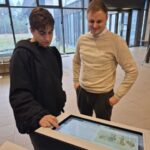
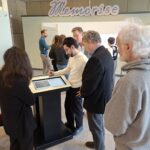
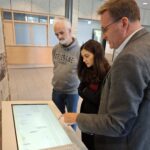
Developed by the MEMORISE consortium, the exhibition combines physical displays with digital interactives to explore how emerging technologies can support remembrance and education. Through touchscreen installations and augmented reality applications, visitors are invited to engage directly with MEMORISE prototypes that connect artworks, archival materials, testimonies, and historical reconstructions.
One section of the exhibition explored the themes of food and hunger at Bergen-Belsen. By combining archival objects, survivor quotations, and visual artworks, the installation highlighted how everyday experiences became central elements of memory and survival. An artwork by Ervin Abadi depicting the distribution of food was displayed alongside an excerpt from Loden Vogel’s Tagebuch aus einem Lager, creating a powerful dialogue between visual and written testimony.
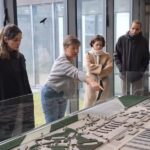
Another key element of the exhibition focused on digital reconstructions of Bergen-Belsen. Since relatively few physical remains of the camp survive today, MEMORISE developed interactive 3D environments that allow visitors to explore the historical structure of the camp and connect locations with testimonies and prisoner artworks. Through touchscreen interfaces and augmented reality applications linked to a physical model of the camp, visitors could experience how digital storytelling can make fragmented histories more accessible and spatially understandable.
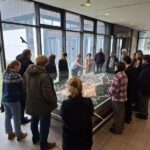
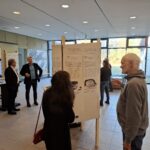
A walk through the exhibition:
Looking Ahead
The MEMORISE Consortium Meeting 2024 at Bergen-Belsen demonstrated the strength of interdisciplinary collaboration in addressing the challenges of digital remembrance and Holocaust education. By bringing together expertise from research, heritage, technology, and design, the consortium not only reviewed significant progress across the project but also showcased how innovative digital tools can open new pathways for engaging with testimonies of Nazi persecution.
The opening of SHOWING THE UNSPEAKABLE, Testimonies from Bergen-Belsen marked an important milestone in this effort, illustrating how physical exhibitions and digital technologies can work together to make fragmented histories more accessible, immersive, and meaningful for contemporary audiences. Through interactive installations, visual testimonies, and historical reconstructions, the exhibition highlighted the continuing importance of preserving survivor experiences and ensuring that these memories remain present for future generations.
As MEMORISE moves into its next phase, the meeting reaffirmed the consortium’s shared commitment to developing responsible, innovative, and impactful approaches to remembrance, education, and cultural heritage in Europe and beyond.





Comments are closed